



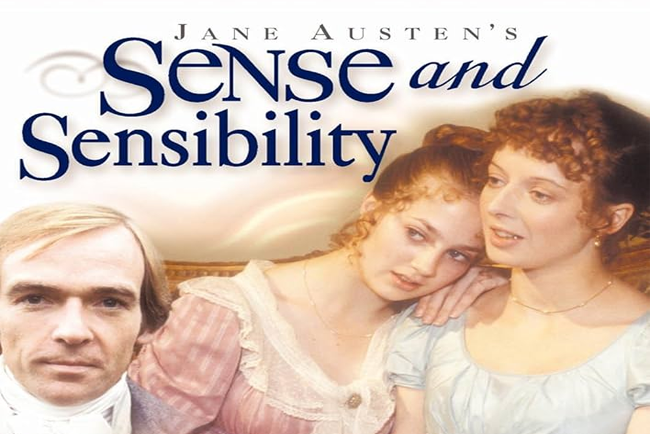
Sense and Sensibility stands as one of the most celebrated literary adaptations in modern cinema. Set in pre-Victorian (Georgian era) England, the film delicately balances romance, social constraint, and emotional growth. Directed by Ang Lee and adapted from the classic novel by Jane Austen, this film has earned enduring acclaim for its elegance, performances, and emotional depth.
From the opening moments, the story draws viewers into the fragile world of the Dashwood women, whose lives are upended by sudden loss and rigid inheritance laws. As a result, the film becomes not only a romantic drama but also a thoughtful critique of class, gender, and financial insecurity in 18th-century England.
Quick Movie Facts
| Feature | Details |
|---|---|
| Title | Sense and Sensibility |
| Release Date | January 26, 1996 (USA) |
| Director | Ang Lee |
| Writers | Jane Austen (novel), Emma Thompson (screenplay) |
| Genres | Romance, Drama |
| Languages | English, French |
| Countries | United Kingdom, United States |
Plot Overview: Sense Versus Sensibility
The narrative begins with the death of Mr. Dashwood, an event that leaves his second wife and three daughters—Elinor, Marianne, and Margaret—financially vulnerable. Due to inheritance laws favoring male heirs, most of the estate passes to John Dashwood, the son from Mr. Dashwood’s first marriage. Consequently, the women are forced to leave their comfortable home and relocate to a modest cottage in Devon.
Elinor Dashwood, portrayed by Emma Thompson, represents “sense.” She is rational, composed, and deeply aware of social expectations. In contrast, Marianne Dashwood, played by Kate Winslet, embodies “sensibility”—she is passionate, expressive, and guided by emotion. While both sisters seek love, their approaches differ dramatically, creating emotional tension and narrative richness.
Read More>>Paris Saint-Germain vs Paris FC Live Score
Romance, Conflict, and Emotional Trials
Elinor forms a quiet but sincere attachment to Edward Ferrars, portrayed by Hugh Grant. However, Edward’s wealthy family disapproves of the match, leading to heartbreak and restraint on Elinor’s part. Meanwhile, Marianne is swept away by the charm of John Willoughby, whose romantic intensity captivates her—yet this relationship proves deeply painful.
At the same time, Colonel Brandon, played by Alan Rickman, offers a steadier, more mature form of affection. Although Marianne initially overlooks him, his loyalty and quiet strength gradually emerge as central to the film’s emotional resolution.
Performances and Direction
One of the film’s greatest strengths lies in its performances. Emma Thompson’s portrayal of Elinor is subtle yet powerful, conveying inner turmoil beneath a calm exterior. Kate Winslet brings vibrant energy and vulnerability to Marianne, making her emotional journey both relatable and heartbreaking.
Moreover, Ang Lee’s direction is remarkably restrained and graceful. Instead of melodrama, he emphasizes character development, natural landscapes, and nuanced interactions. This approach allows the emotional stakes to feel authentic rather than exaggerated.
Themes That Still Resonate
Although Sense and Sensibility is set over two centuries ago, its themes remain strikingly relevant. The film explores the tension between reason and emotion, the economic realities of love, and the limited choices available to women. Furthermore, it questions whether true happiness lies in passionate impulse or thoughtful restraint—ultimately suggesting that balance is key.
Why Sense and Sensibility Remains a Classic
Decades after its release, Sense and Sensibility continues to captivate audiences worldwide. Its intelligent screenplay, strong female perspectives, and timeless romantic conflicts ensure lasting appeal. Additionally, the film introduced a new generation to Jane Austen’s work, reinforcing its place in cinematic and literary history.
In conclusion, Sense and Sensibility is more than a period romance—it is a beautifully crafted exploration of human emotion, societal pressure, and personal growth. With outstanding performances, elegant direction, and enduring themes, this film remains a must-watch for lovers of classic literature and intelligent cinema alike.
Read More>>How to Rob a Bank (2026)


 is a romantic drama directed by Ang Lee, based on Jane Austen’s novel. Explore the full plot, cast, release date)