



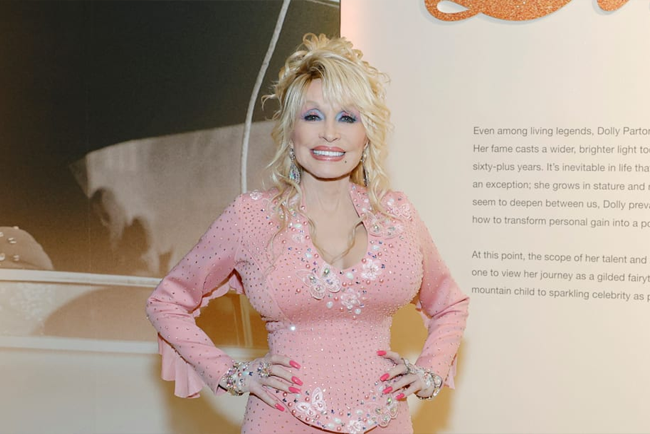
Dolly Parton’s reflections on caring for her late husband, Carl Dean, highlight a problem faced by millions of family caregivers: neglecting their own health while caring for someone else.
In a past video titled “I ain’t dead yet!”, Parton discussed how she struggled to look after herself while her husband was ill. She explained that during the long period when Carl was sick, she focused so heavily on his needs that she allowed many of her own health needs to go unattended.
Her experience illustrates how easily caregiving can push personal health to the background.
Why caregivers often neglect their health
Caregiving can require enormous amounts of time, energy and emotional strength. According to information cited from the National Alliance for Caregiving and AARP, about 23% of caregivers find it difficult to pay attention to their own health while caring for another person. The challenge can be greater for some groups, including women and lower-income caregivers.
The demands can become especially intense when a loved one has a serious illness. The average family caregiver spends about 27 hours each week providing care, while many spend 40 hours or more.
This workload can leave little time for medical appointments, exercise, healthy meals, sleep or social activities.
Read More>>The Marching Band: Release Date, Cast, Story, and Everything You Need to Know
Caregiving can affect physical and emotional health
The consequences of caregiver burnout can be serious. Nearly two-thirds of caregivers report emotional stress, while 45% report physical strain. Almost one-quarter also experience loneliness because caregiving can limit opportunities to socialize and maintain relationships outside the home.
Nancy Slavin, who provides around-the-clock care for her mother, described how caregiving affected her own health. She delayed routine cancer screenings for years before a health scare prompted her to take action. She also found less time for social activities she once enjoyed.
Long-distance caregivers can face similar problems. Heidi Lescanec, who lives far from her mother, said the emotional and physical responsibilities of caregiving can become overwhelming even when the caregiver does not live with the person receiving care.
Why self-care can feel impossible
Caregiver self-neglect is not always caused by a lack of knowledge. Practical and emotional barriers can make self-care extremely difficult.
Allison Applebaum, a geriatrics and palliative medicine expert, explained that scheduling personal medical appointments can be challenging when caregivers cannot predict what will happen with the person they care for.
There is also an emotional burden. Caregivers may feel that their own symptoms are less important than those of their seriously ill loved one. Some may avoid seeking help because they fear adding pressure to their family or support network.
Caregivers need support, too
The healthcare system also has an important role to play. Unpaid family caregivers provide an enormous amount of care in the United States, yet they are not routinely asked about their own health and support needs. The source notes that only 15% of caregivers have ever been asked by a healthcare provider what they need.
Support such as respite care, in-home healthcare and palliative care can reduce caregiver burden. Regular screening could also help identify physical, emotional, social and financial challenges before they become overwhelming.
Read More>>Vietnam Aim to Defend ASEAN Hyundai Cup Title as Thailand Face Final Test in Hanoi
Caring for yourself is part of caregiving
Dolly Parton’s story offers an important reminder: caregivers need care, too. Looking after your own health does not mean caring less about a loved one. Instead, regular medical checkups, rest, social connection and emotional support can help caregivers remain healthy enough to continue providing care.
Caregiving can be an act of profound love. However, that love should not require someone to completely abandon their own well-being. Supporting caregivers should be treated as an essential part of supporting the people they care for.