



From its very first scene, Stranger Things established itself as a story about childhood, imagination, and friendship. Appropriately, the series comes full circle in its finale, closing not with a monster fight, but with a simple, deeply symbolic moment: a basement door shutting.
In the final episode, “The Rightside Up,” now streaming on Netflix, Mike, Will, Dustin, Lucas, and Max complete their last Dungeons & Dragons campaign in the Wheeler basement. As they climb the stairs and Mike quietly closes the door, the story of Stranger Things officially ends.
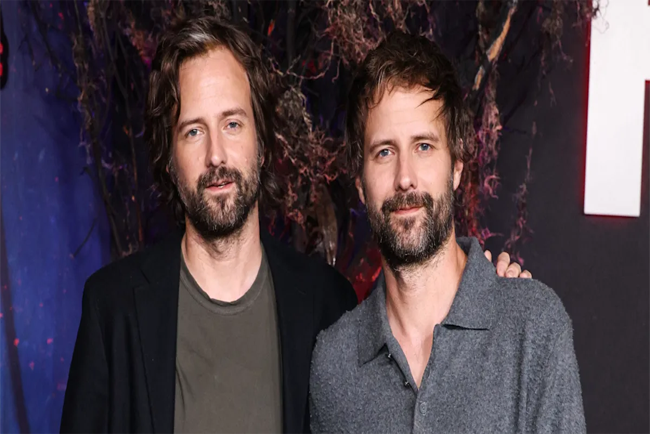
According to creators Matt Duffer and Ross Duffer, that image had been planned for years.
Read More>>Dylan Larkin Named to Team USA Roster for 2026 Winter Olympics in Italy
A Door That Closes Childhood Forever
Matt Duffer explains that each character leaving the basement represents leaving childhood behind. The moment is particularly powerful for Mike, played by Finn Wolfhard, whose expression captures grief, nostalgia, and acceptance all at once. Meanwhile, Mike’s younger sister Holly runs in with her friends to start a new D&D game, signaling that one generation’s story has ended — and another’s is just beginning.
For Ross Duffer, the scene reflects memory rather than loss. Childhood joys don’t disappear; instead, they become something we carry forward. Once Mike shuts that door, the story ends not because the world stops, but because the characters have grown up.
Eleven, Hopper, and the Meaning of Letting Go
Before the Upside Down collapses, Hopper delivers an emotional plea to Eleven, asking her to survive and choose life. Later, Eleven responds with a speech of her own, asking Hopper to trust her choices. These mirrored moments underline the show’s central theme: growing up requires both courage and release.
Matt Duffer notes that the finale represents the culmination of a long coming-of-age story. Eleven stepping away — rather than returning to normal life — reinforces that growth often means separation, not reunion.
Why Eleven’s Ending Remains Ambiguous
During the final D&D campaign, Mike narrates a possible future in which Eleven escapes and lives peacefully in a distant village. However, the Duffers intentionally avoid confirming her fate.
They explain that Eleven symbolizes magic and childhood wonder. For the story to truly end, she cannot remain in Hawkins. Instead, hope becomes the ending. The characters believe she is alive and happy — and that belief is what allows them to move forward.
Where the Kids End Up
Each character’s future reflects who they’ve always been:
- Mike becomes a writer, continuing his role as the group’s storyteller.
- Dustin goes to college while maintaining his bond with Steve.
- Lucas and Max finally enjoy the movie date they planned long ago.
- Will finds acceptance beyond Hawkins, in a larger city where he can fully be himself.
Importantly, happiness looks different for everyone — and that individuality defines the show’s emotional resolution.
The Teens’ Futures Feel Earned
Among the older teens, the endings feel equally organic. Steve stays in Hawkins as a little-league coach, proving that heroism doesn’t require leaving home. Nancy chooses journalism over a traditional academic path, reinforcing her independence. Robin attends Smith College, while Jonathan fulfills his long-held dream of becoming a filmmaker at NYU.
Notably, Jonathan’s absurd anti-capitalist cannibal film reflects both humor and authenticity — a nod to real film-school experiences.
Steve’s Near-Death and Brotherhood
Steve’s fall from the radio tower isn’t designed to shock fans, but to resolve lingering tension. Jonathan saving Steve creates the emotional bridge both characters needed. By the time the final battle arrives, all internal conflicts are settled — allowing the group to face Vecna as a united front.
Vecna’s Choice and Moral Complexity
The finale reveals that Vecna insists his alliance with the Mind Flayer was a choice. While the Duffers leave room for interpretation about his childhood manipulation, they make one thing clear: in the end, Vecna chooses darkness. Redemption, at that point, is no longer possible.
A Final Tribute to Outsiders
Dustin’s rebellious graduation speech honors Eddie Munson and the Hellfire Club. It reinforces one of Stranger Things’ most powerful messages: outsiders, when united, can change everything.
Why “Heroes” Plays Over the Final Credits
The series ends with David Bowie’s original version of “Heroes,” a choice suggested by Joe Keery. The song, already tied to the show’s legacy, becomes a final anthem — celebrating bravery, friendship, and fleeting moments of greatness.
As the music fades and the door closes, Stranger Things reminds us that endings don’t erase memories. They give them meaning.
Read More>>How to Make a Killing (2026)