



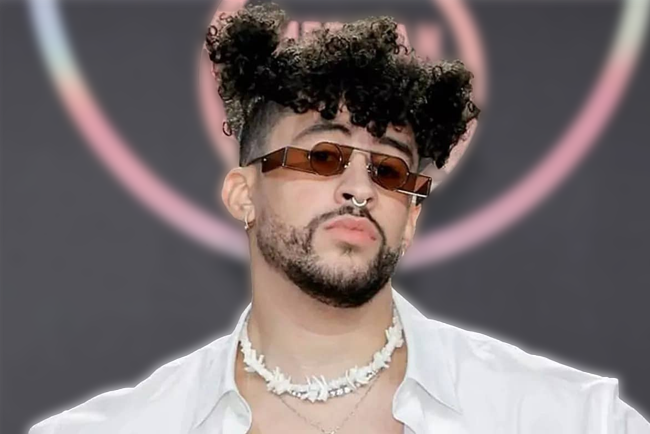
The Super Bowl halftime show is one of the most watched live events in the world, and in 2026, it will be headlined by Puerto Rican superstar Bad Bunny. But even before the first kickoff at Levi’s Stadium in Santa Clara, California, the performance is drawing headlines for reasons beyond music.
Recently, Corey Lewandowski, a Department of Homeland Security adviser, announced that Immigration and Customs Enforcement (ICE) agents will be present at the 2026 Super Bowl. His comments came during an appearance on The Benny Show, where he said that undocumented immigrants will not find a safe haven at the game.
“There is nowhere that you can provide safe haven to people in this country illegally. Not the Super Bowl and nowhere else,” Lewandowski said. “We will find you. We will apprehend you. We will put you in a detention facility, and we will deport you.”
He added that this directive comes directly from the president, framing it as part of broader efforts to “make Americans safe.”
Read more >> Simone Biles Net Worth 2025
Bad Bunny’s Cultural Impact
Lewandowski’s remarks struck a nerve because they referenced Bad Bunny himself. He criticized the NFL’s decision, saying it was “shameful that they’ve decided to pick somebody who just seems to hate America so much to represent them at the Halftime Game.”
For context, Bad Bunny is an American citizen. Born in Puerto Rico, he has become one of the most influential global musicians of the past decade, celebrated for singing primarily in Spanish and amplifying Latine culture on the world stage. His influence extends far beyond music.
Bad Bunny recently completed his record-breaking 31-date residency in San Juan, Puerto Rico, titled No Me Quiero Ir de Aquí. The concerts attracted over half a million fans, with several shows reserved exclusively for Puerto Rican residents. The residency reportedly generated $400 million in economic activity for Puerto Rico, while also livestreaming a finale that became the most-watched single-artist performance on Amazon Music.
Culturally, the residency had deep resonance. By incorporating imagery from rural Puerto Rico — including plantain trees, farm animals, and the recreation of a simple concrete home on stage — Bad Bunny connected his performance to the island’s roots and history. Fans and critics alike praised the concerts for embodying pride in Puerto Rican identity.
Bad Bunny on ICE Concerns
In an earlier interview with i-D Magazine, Bad Bunny admitted that he avoided scheduling dates in the continental United States for his Debí Tirar Más Fotos World Tour out of concern that ICE could target his concert attendees.
“But there was the issue of — like, f***ing ICE could be outside [my concerts],” he said. “And it’s something that we were talking about and very concerned about.”
Instead, Bad Bunny took his world tour to 19 countries, further solidifying his global reach. Still, the 2026 Super Bowl will mark one of his most visible U.S. performances to date — and one that now carries added political tension.
ICE and the Super Bowl
Lewandowski confirmed that ICE officials plan to conduct enforcement operations “everywhere,” including high-profile events like the Super Bowl. “If you’re in this country illegally, do yourself a favor: Go home,” he warned.
His comments come at a time when immigration remains a deeply polarizing issue in U.S. politics. By tying enforcement to such a high-profile cultural moment, the administration has made the 2026 Super Bowl a flashpoint not only for sports and entertainment but also for debates about immigration and identity.
Music Meets Politics
The intersection of Bad Bunny’s performance and Lewandowski’s announcement highlights the unique position the artist holds. On one hand, Bad Bunny’s residency and global tours emphasize pride in Latin American culture, unapologetically delivered in Spanish to worldwide audiences. On the other, his presence at the Super Bowl now collides with rhetoric that frames his music and his fans as politically controversial.
For millions of Latine fans in the U.S., Bad Bunny’s halftime show represents visibility and celebration. For critics like Lewandowski, it represents division. The clash underscores how entertainment, culture, and politics often overlap in America’s biggest televised moments.
Looking Ahead
The 2026 Super Bowl halftime show on February 8, 2026, will be more than just a concert. With ICE agents confirmed to be present, the event is already charged with political implications. Whether fans tune in to celebrate Bad Bunny’s artistry or to watch how politics might intrude, the performance promises to be one of the most talked-about in Super Bowl history.
For Bad Bunny, the challenge will be the same one he has embraced throughout his career: staying true to his roots, performing for his people, and flipping the script on what it means to represent Latin America on the world’s biggest stage.